





Iraq – Ministry of Agriculture announces the achievement of self-sufficiency in more than 48 products and bans their import
The Ministry of Agriculture announced that Iraq has achieved self-sufficiency in more than 48 agricultural products and has banned their import from abroad. The Ministry also confirmed the continued growth of the agricultural sector despite climate challenges and drought.
The Undersecretary of the Ministry of Agriculture, Mahdi Saher Al-Jubouri, told the Iraqi News Agency (INA) that the growth of Iraq’s agricultural sector continues at an upward pace despite limited water revenues, climate change, and drought.
He explained that the Ministry is working to ensure the availability of agricultural crops, including summer and winter vegetables, by adopting modern farming technologies during the winter season, such as plastic greenhouse farming and drip irrigation, as well as relying on traditional irrigation methods for summer crops.
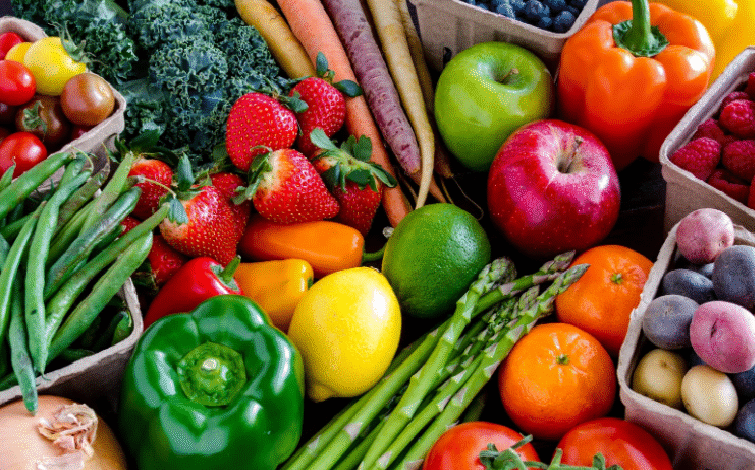
He added that these measures have contributed to an abundance of agricultural products exceeding 48 items, whose import has been banned, achieving self-sufficiency. Among the most notable are tomatoes, potatoes, leafy vegetables such as cauliflower and lettuce, other crops, and all varieties of dates, which have been banned from import since 2003 until today.
Al-Jubouri noted that other products, such as honey, table eggs, and live and frozen chicken meat, have also been subject to import bans to protect local production and support farmers. He emphasized that these measures align with the Ministry’s efforts to protect domestic products and ensure market stability.
He pointed out that price control in local markets has been achieved through balancing supply and demand, which helped ensure wide availability of local products at stable prices, in addition to preventing the entry of smuggled goods.
The Undersecretary added that some surplus local products are exported abroad, especially potatoes and dates in large quantities, noting that this step aims to achieve a production surplus, meet domestic needs, and benefit from exports to further develop the agricultural sector.