




Sudan Scraps Maize and soybean meal Import Duties to Ease Animal Feed Shortages
Government measures aim to curb rising feed costs as drought, conflict and supply chain disruptions put increasing pressure on livestock production.
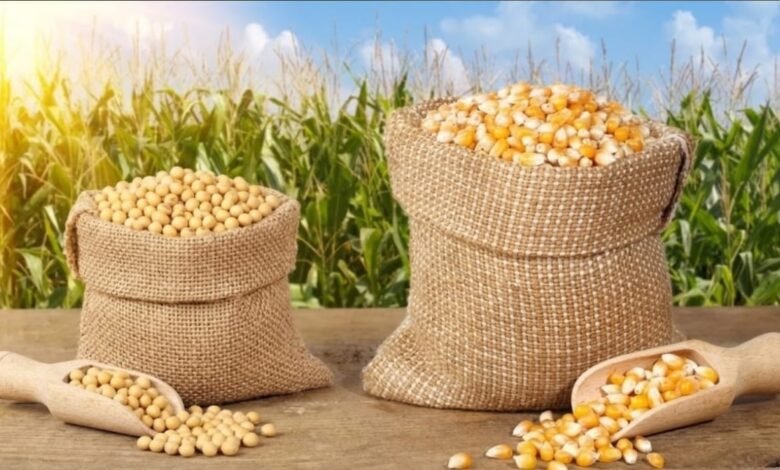
Sudan has introduced customs duty exemptions on imported maize and reduced import duties soybean meal in an effort to address mounting animal feed shortages and ease cost pressures on the livestock sector.
The decision, issued by Prime Minister Kamil Idris on 17 November 2026, exempts imported maize from both customs and additional duties, while soybean meal benefits from an exemption on import duties, according to the Cabinet’s media office.
The government has not yet announced how long the measures will remain in effect or provided an estimate of the expected revenue losses.
The move comes amid rising import costs following a 16% increase in the customs exchange rate used to calculate import duties, which reached SDG 6,539 per US dollar.
Drought and Conflict Deepen Feed Supply Challenges
Sudan’s agricultural and livestock sectors are facing mounting challenges following below-average rainfall across most agricultural regions between June and September.
According to the Food and Agriculture Organization (FAO), Sennar and Gedaref, which together contribute approximately one-quarter of Sudan’s sorghum production, recorded rainfall levels around 20% and 30% below their respective long-term averages.
Data from the US Geological Survey, cited by Reuters, also indicate that rainfall between July and September reached its lowest nationwide level in more than 30 years.
The prolonged rainfall deficit has affected crop production and natural pasture availability, adding further pressure to Sudan’s livestock population, estimated at approximately 115 million head.
Meanwhile, the ongoing conflict between the Sudanese Armed Forces and the Rapid Support Forces (RSF) has compounded the crisis, disrupting supply routes, damaging slaughterhouses and quarantine facilities, and displacing workers across the livestock value chain.
According to a central bank report cited by Al Jazeera, Sudan’s livestock sector recorded losses exceeding US$1 billion in 2025.
Livestock Exports Remain Vital to the Economy
Despite these challenges, livestock continues to play a strategic role in Sudan’s economy and foreign currency earnings. Sheep and camels are among the country’s key livestock exports, with Saudi Arabia and Egypt serving as major destination markets.
Preliminary customs data indicate that livestock exports generated approximately US$289 million during the first nine months of 2025.
The latest customs measures are intended to improve access to essential feed ingredients and reduce production costs for livestock producers. However, their effectiveness will largely depend on the availability and affordability of imported maize and soybean meal, as well as the ability of traders to overcome ongoing logistical and supply chain disruptions.