





Iraqi Agriculture: Launch of a plan to expand tomato production and ensure year-round local availability
The Ministry of Agriculture confirmed the launch of a plan to expand tomato production and ensure its availability locally throughout the year, noting that there is a government move to pursue those manipulating the prices of imported tomatoes.
The Technical Undersecretary of the Ministry of Agriculture, Mahdi Sahr Al-Jubouri, told the Iraqi News Agency (INA):
“Due to the shortage in local production of tomatoes and eggplants at the end of last March and the increase in their prices, it was decided to open the door for imports starting from March 25, and it is still ongoing. However, the shortage in production in neighboring countries and the rise in prices there led to an increase in the prices of imported produce inside Iraq.”
He added:
“There is monopoly by some importers of the crop in wholesale markets, where it is sold at exaggerated prices that exceed its real import cost. This requires strict security measures from the National Security Service and the economic security units in the Ministry of Interior to monitor monopolists, especially in the coming days.”
Al-Jubouri explained that:
“By the end of April, local production will begin to flow from the provinces of Najaf and Karbala, followed by production across all provinces, which will see a large surplus in the crop.” He noted that “there are expectations of a significant drop in prices, potentially reaching the export stage as happened last year.”
He clarified that:
“The peak production period starts in the fifth month and ends in February, which is a very long period, except for a 30-day production gap following the end of the autumn cultivation cycle and protected agriculture. This is the period during which we resort to opening imports.”
Al-Jubouri pointed out that:
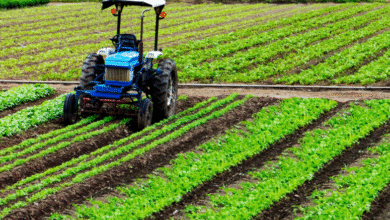
“The Ministry has succeeded in expanding potato production across all provinces, making it available year-round at stable prices while continuing exports. This is the same policy we will apply to tomatoes by expanding protected agriculture to reduce the production gap, which previously depended only on summer cultivation.”
He stressed that:
“The Ministry’s basic principle is reliance on local production and preventing imports, and imports are only opened in cases of temporary shortages.”
He added that:
“The Ministry is working to achieve a balance that ensures price stability for consumers while protecting farmers from price drops below production costs by opening export opportunities abroad,” confirming that “coordination is ongoing with security agencies to prevent monopolization of perishable crops that cannot be stored for long periods.”